
Ecookim
Key insights from our impact study on sustainable cocoa farming within the Ivorian cocoa sector.EcookimKey insights from our impact study on sustainable cocoa farming within the Ivorian cocoa sector.
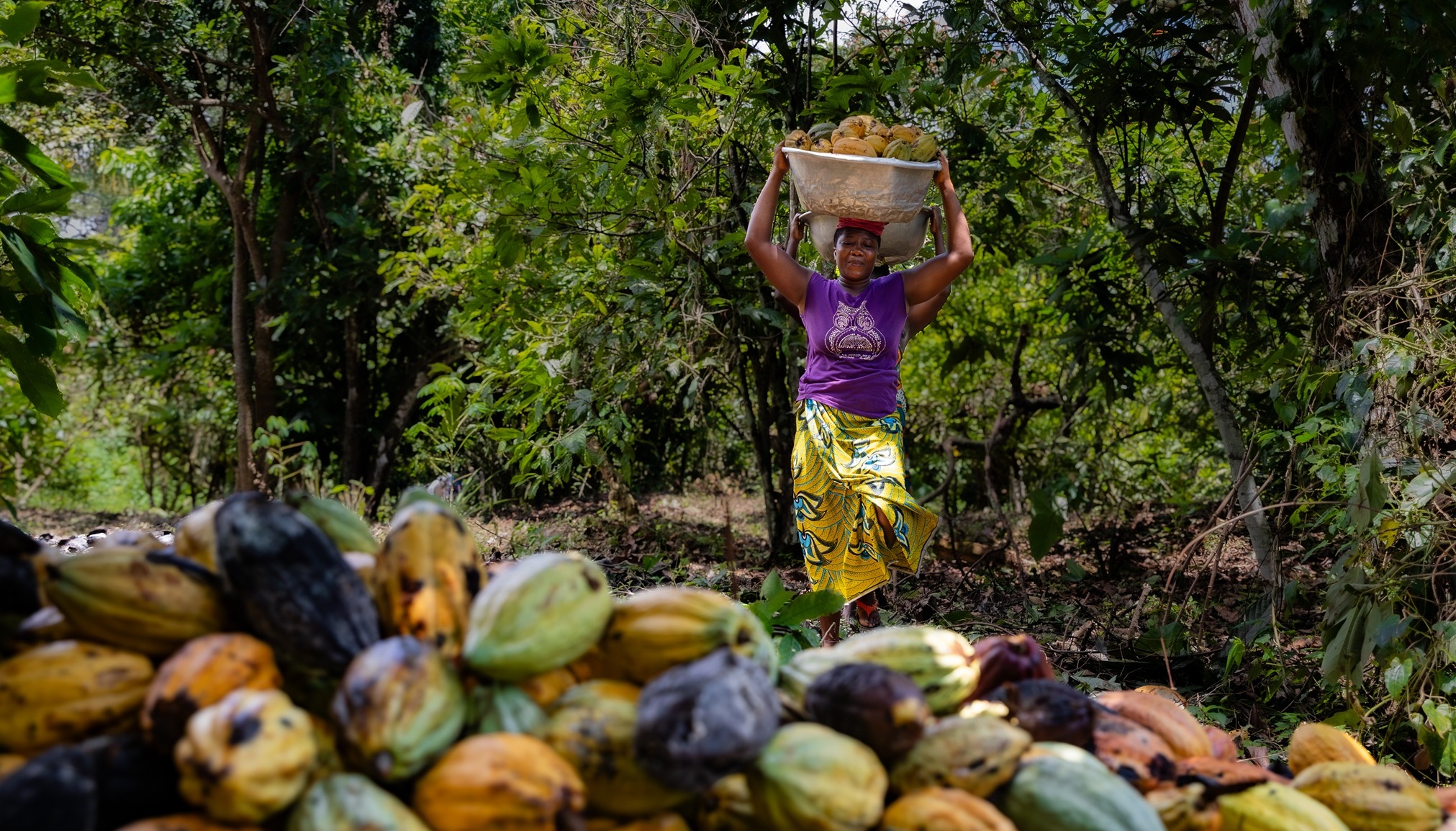
Cocoa sits at the centre of Côte d’Ivoire’s rural economy. It provides income to millions of smallholder farmers, yet it remains a fragile livelihood. Price volatility, climate risks, delayed payments and limited access to finance continue to shape daily uncertainty for farming households.
In this context, Alterfin carried out an impact study with Ecookim, a union of cocoa cooperatives in Côte d’Ivoire, to better understand what long-term cooperative support means in practice—for farmers’ livelihoods, households, and resilience.
Read the impact study summary
A union of cooperatives that farmers actively choose
Ecookim brings together 31 cooperatives representing more than 41,000 cocoa farmers. Alterfin has partnered with the union since 2011, providing pre-harvest financing that enables cooperatives to purchase cocoa from their members and reduce dependence on informal middlemen.
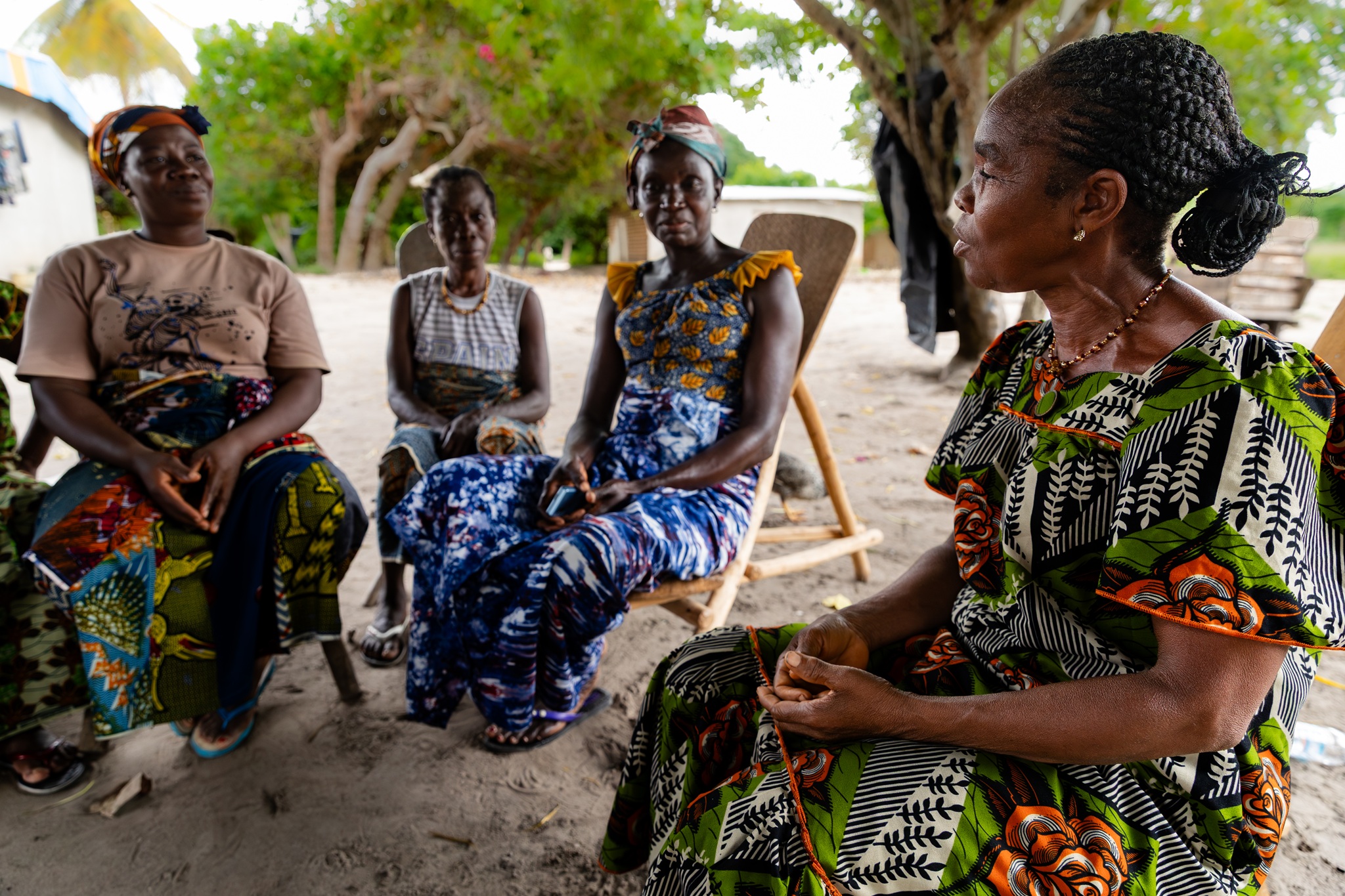
One of the study’s strongest findings concerns the relationship between farmers and their cooperative.
- 95% of respondents say they sell their cocoa to the cooperative out of preference, not obligation.
- More than 70% consider working with Ecookim “worth the effort,” even when they describe the relationship in practical rather than emotional terms.
- Respondents rate how they feel represented and heard by the cooperative at 75% on average.
In a sector where farmers often have limited bargaining power, this sense of choice and representation matters.
Better income, but not always on time
At the farm level, the study shows clear economic progress.
94% of respondents report an improved economic situation, and 95% say Ecookim pays a better price than other buyers, thanks to bonuses on top of the fixed government price.
At the same time, the study highlights a challenge: payment and input provision reliability. While many respondents received payments and inputs on time, 23% of respondents experienced delays. These farmers expressed that the timing mismatch led to disruptions in their farming activities and household finances.
The study shows it is not only about how much farmers earn, but also when income and support arrive.
Changes that reach the household
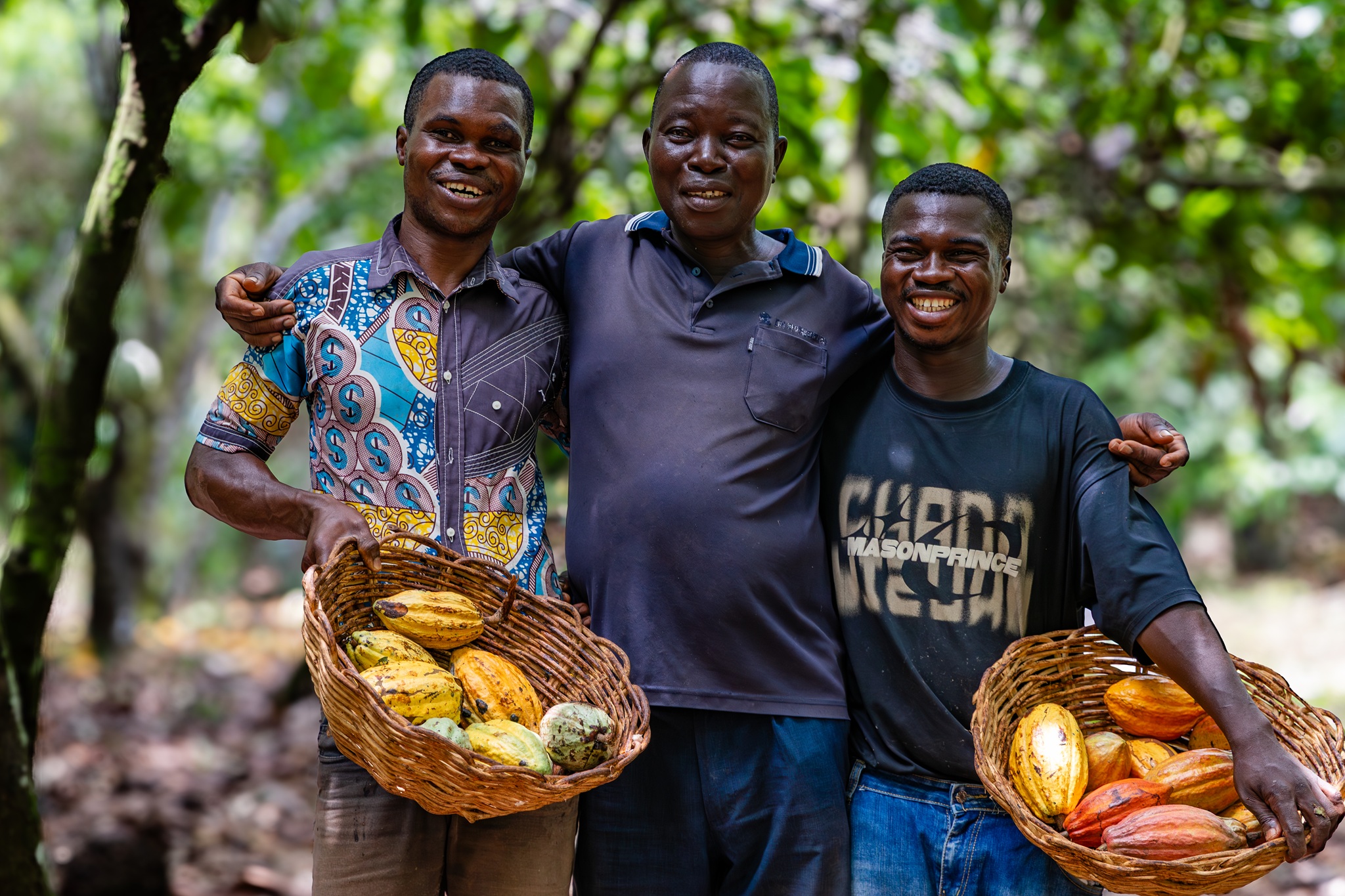
Almost all respondents reported at least one meaningful improvement in their daily lives. The most frequently cited changes include:
- better access to education for children,
- improvements in housing,
- and the purchase of assets.
Access to healthcare also emerged as an important area of progress. These findings suggest that increased income is being translated into longer-term household priorities, not only immediate consumption.
The farmers highlight how Ecookim's initiatives contributed to the betterment of their communities, such as infrastructure development like village pumps and broader social wellbeing support.
Growing resilience, not immunity
The study also looks at how farmers cope with shocks. More than half of respondents report having savings they can rely on in case of emergency, while others would turn to the cooperative for support. Yet some households still depend on family networks or asset sales.
Resilience is growing—but vulnerability has not disappeared.
Download the summary
Why this study matters
This impact study does not aim to present a perfect picture. Around a quarter of the stories collected point to mixed or negative experiences, often linked to delayed payments or inconsistent service delivery. These findings are as important as the positive ones.
For Alterfin, impact studies are about accountability and learning: understanding how long-term, patient financing translates into real changes in people’s lives—and where improvement is still needed. They help make visible what Alterfin calls human yield: progress measured not only in financial terms, but also in dignity, agency, and resilience.
👉 Read Ecookim's impact study to explore the findings in detail, including farmer perspectives, methodology, and lessons for sustainable cocoa production.

TestimonialS

FAQ title
FAQ description

more news from alterfin

DIDN't find what you're looking for?
Read our FAQs or contact us.


