
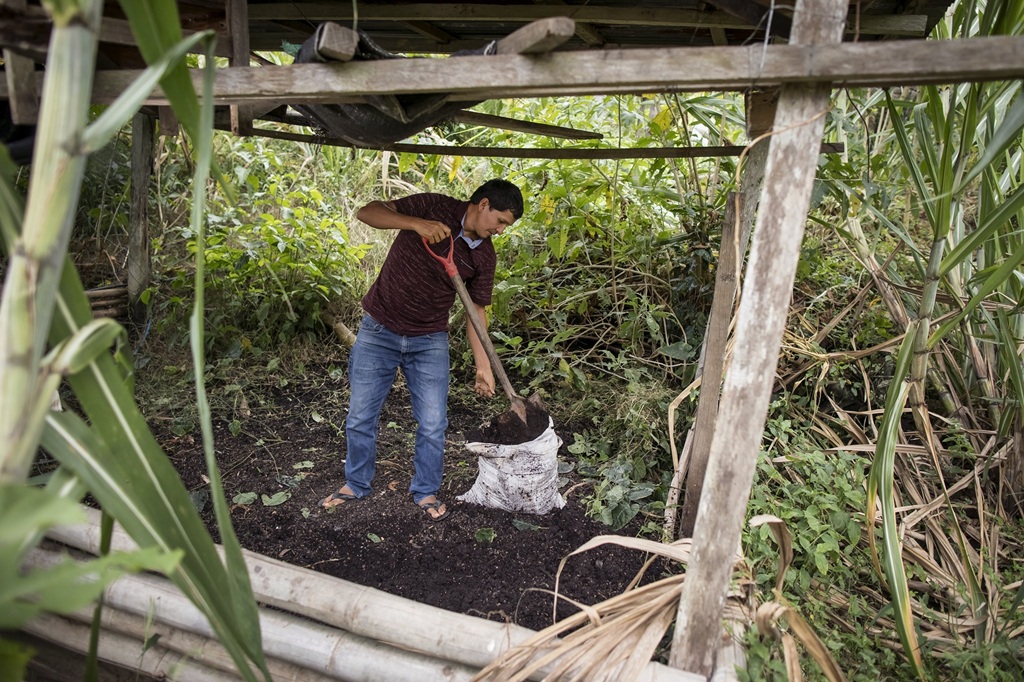
COOPAFSI
What 400 coffee farmers told us, in their own words, about 13 years with their cooperative.COOPAFSIWhat 400 coffee farmers told us, in their own words, about 13 years with their cooperative.
Coffee farming in northern Peru comes with its share of challenges - price swings, crop quality risk, and uneven cash flow – yet it also holds real potential for growers who can count on stable income and support.
In 2023, Alterfin carried out an impact study with COOPAFSI, a coffee cooperative in Cajamarca, to understand what a long-term financing relationship has meant for its 400+ smallholder farmers.
Download the summary
A cooperative founded to empower farmers
In 1968, a Jesuit priest and 90 smallholder coffee producers in Cajamarca, northern Peru, founded a cooperative to eliminate intermediaries and ensure fair prices for farmers.
Today COOPAFSI brings together more than 400 smallholder members.
Since 2006, Alterfin has served as the cooperative’s first international lender. This long-term partnership includes 18 loans disbursed between 2006 and 2023 to finance machinery and working capital.
In 2023, Alterfin conducted an impact study to see how the investment enabled COOPAFSI's farmers. Following the Sensemaker methodology, the farmers shared their story about their experience with the cooperative before completing a structured self-interpretation framework.
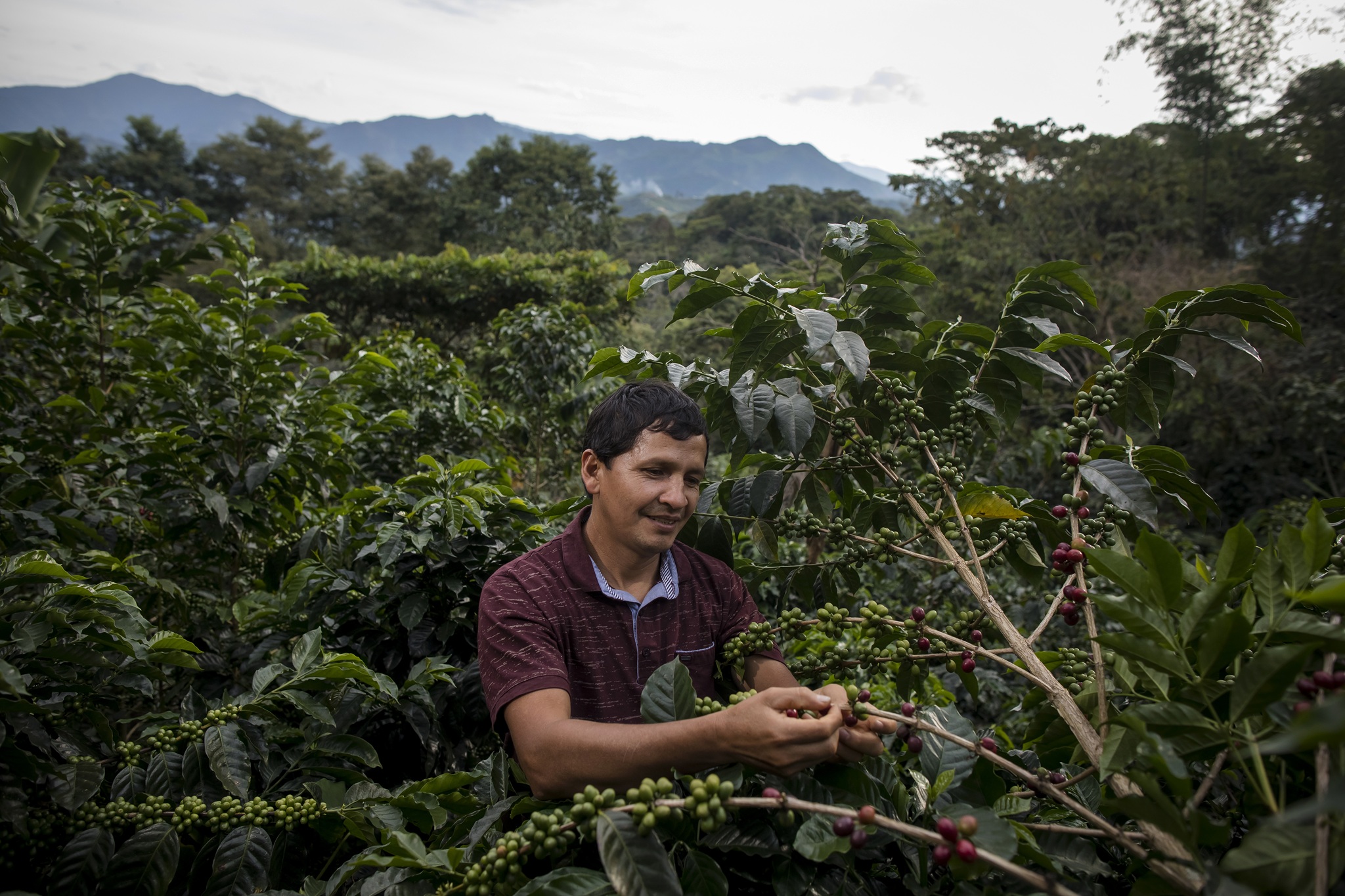
Before the numbers, the stories
82 farmers answered.
Their stories split by feeling: 49% positive, 33% mixed, and 18% negative.
- Positive stories referenced cooperative services, price satisfaction, and household improvements.
- Mixed and negative stories pointed to financial strain at the cooperative, payment delays, and crop rejections tied to quality, while some respondents still acknowledged the cooperative's consistent delivery of services over time.
A relationship farmers choose, tested by a hard year
- 87% of respondents sell their coffee to COOPAFSI by preference, not necessity; a further 11% do so partly by preference.
- 70% see COOPAFSI as part of the family and, at minimum, worthwhile from a business standpoint. The two views tend to travel together, even among farmers who lean toward describing the relationship in transactional terms.
That relationship was tested in 2023.
Cash flow problems at the cooperative meant 30% of farmers were paid only sometimes on time, and crop-quality issues led to some purchase rejections.
Overall, 60% of farmers say COOPAFSI's price has historically beaten the alternative, but 40%, largely because of that year's difficulties, didn't confirm the advantage held.
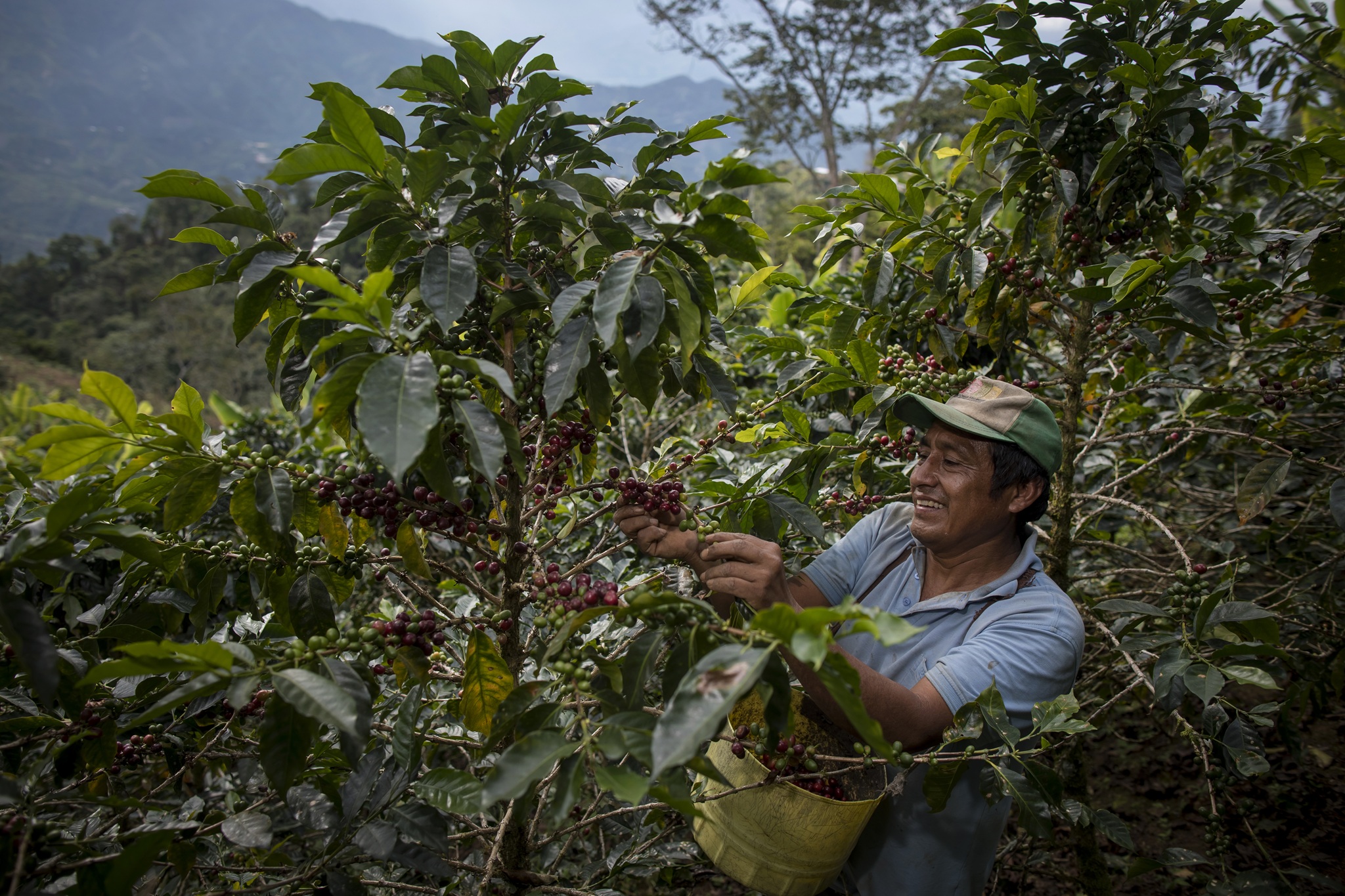
What 13 years builds
The average farmer in the study has worked with COOPAFSI for 13 years.
70% report their economic situation has improved since joining.
Farmers value the technical assistance that the cooperative offers most (37%), followed by the transport for the crops (18%) and financing for plantation renewal (17%).
90% report at least one lasting change at home, most often their children's access to education (31%), followed by housing improvements (26%), and savings set aside for the future (19%).
Farmers with the longest relationship with the cooperative report the strongest household gains; among the small group who reported no improvement at all, half had worked with the cooperative for three years or less.
What farmers fall back on
In the event of an emergency or unforeseen expense, 47% of members would turn to the cooperative for a loan, while around one-third (31%) would rely on personal savings.
The rest would turn to family, friends, or another financial institution or sell an asset.
COOPAFSI's impact study summary
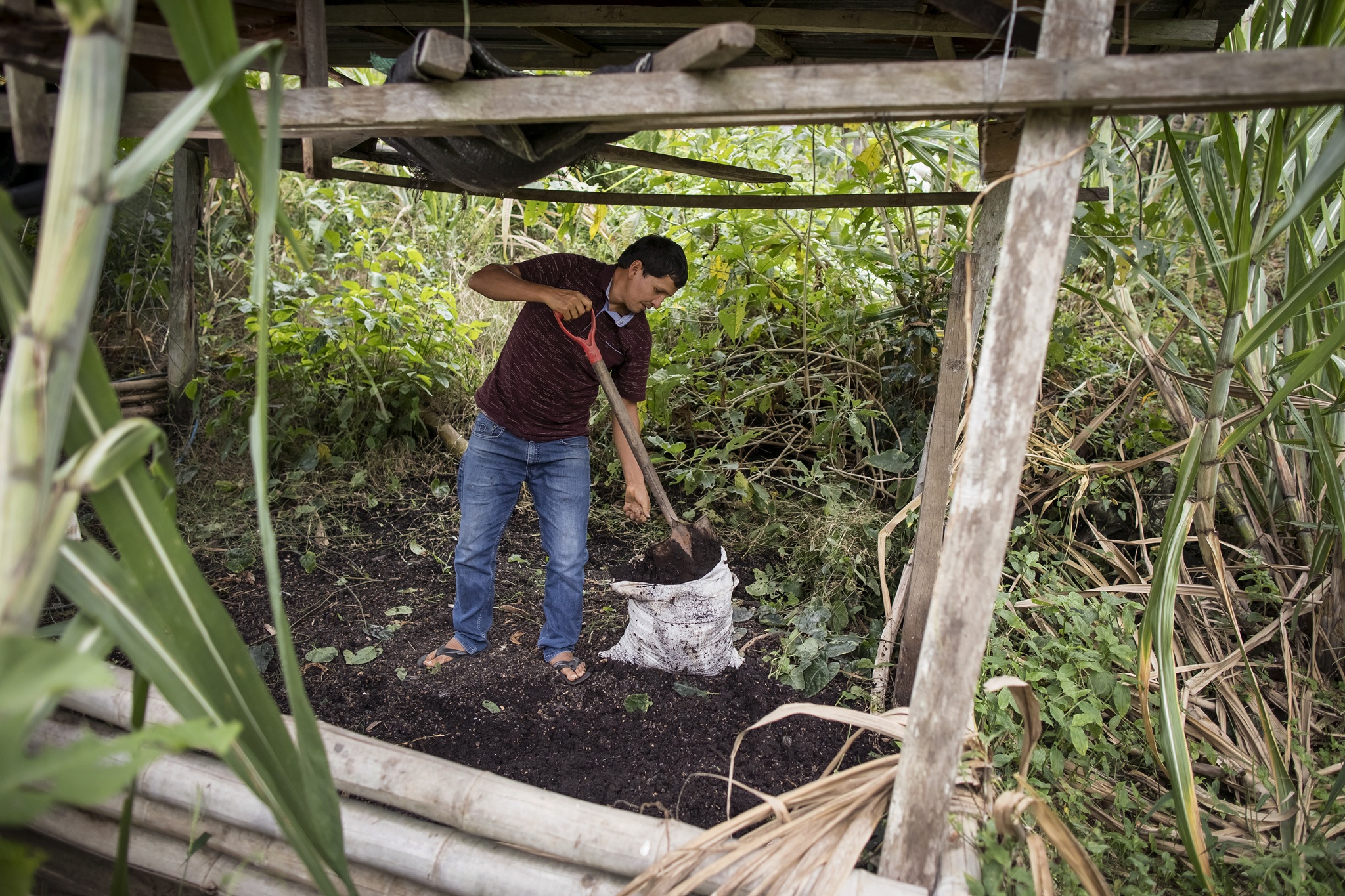
Why this study matters
Beyond the positive outcomes, the study also highlights areas where members faced difficulties.
Nearly one in five farmers shared negative experiences, pointing to a real issue: cash flow pressures in 2023 reduced COOPAFSI's ability to offer the price advantages and reliable payments that members have come to depend on.
Alterfin is supporting the cooperative as it works to address these challenges.
For Alterfin, impact studies are meant to uncover findings like this, not soften them: accountability first, then learning.
What they make visible is what Alterfin calls "human yield," change measured not only in income but also in the education a farmer can afford, the home they improve, and the fact that most still choose to sell to their own cooperative.
👉 Read COOPAFSI's impact study to explore the findings in detail, including farmer perspectives, methodology, and the sector context in Peru.

Related articles
Women aspiring to and shaping a fair and sustainable future
An entrepreneur and an investment manager, on what equality means for economic development in Latin America.
Continue readingTestimonialS

FAQ title
FAQ description

more news from alterfin

DIDN't find what you're looking for?
Read our FAQs or contact us.


