

"Start early, keep records, and be transparent"
A notary's advice for a worry-free estate"Start early, keep records, and be transparent"A notary's advice for a worry-free estate
What actually happens to your Alterfin shares when you're no longer here? And how do you best approach your estate planning? To mark International Wills Day (13 September), notary Valérie Weyts answers a number of essential questions on a topic that remains genuinely difficult to broach. One thing is certain: this concerns everyone, because every major decision we make in life can have consequences for the future.
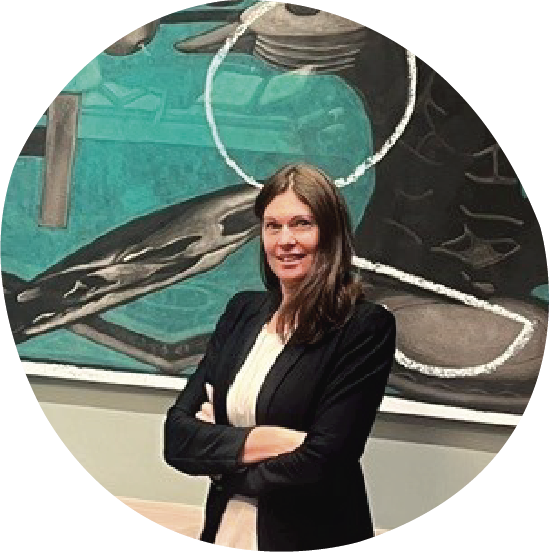
"One important piece of advice: prepare a file in advance setting out all the relevant financial information."
Why is it better to think about your estate early?
Most people start thinking about it after the age of 50, sometimes even earlier — particularly if they have significant assets or run a family business. The right time depends above all on your personal situation.
A will lets you decide what happens to your estate, whether modest or substantial. It helps you explain clearly to your heirs who will receive what — and why. Many people, for instance, want to treat their children fairly, but misunderstandings arise quickly. A will lets you make choices, explain them, and so avoid conflicts later on.
What are the most common mistakes in estate planning?
"A will isn't the only document that matters for an estate."
The first is simply waiting too long before consulting a notary. Whether you opt for a notarial will or draft your own (a private or holographic will), it's best to have it checked by a notary, since a will must meet a number of legal requirements. It's also worth being wary of AI-generated templates, which can contain serious errors.
A will, moreover, isn't the only document that matters for an estate. At every major life stage — marriage, buying a home, divorce, remarriage, or simply moving in together — it's worth thinking ahead about the future and what you want to leave behind. We see that many people still neglect this. With blended families becoming more common, estates are growing more complex, and it's often worth seeking advice.
Finally, gifts can also cause problems. Some people make gifts to different children at different times without communicating clearly about it. That lack of transparency can, unfortunately, lead to family conflict.
Is estate planning still a taboo subject, or are attitudes changing?
Attitudes are changing. It's discussed far more than before, including in the media. People are planning more than they used to, partly because they have larger assets and partly because blended families are more common. Even people without children are showing more interest in these questions.
One particularly useful tool for opening up the conversation is the inheritance agreement. It allows parents and their children to sit down together and talk openly about the estate to come. Any difficult issues can be raised and resolved together. The notary then puts everything into an official, binding document. The difference from a will is simple: an inheritance agreement is something several parties agree on together, while a will is drawn up unilaterally.
This approach can help avoid painful disputes that might otherwise drag on for up to 20 years, especially when they involve items of strong sentimental value. An estate is always emotionally charged.

Gift or inheritance: which is more advantageous from a tax perspective?
"Caution is advised."
A gift is generally still more advantageous from a tax standpoint, though the difference has narrowed considerably in recent years, across every region of the country.
There is, however, a risk: a gift is irrevocable. It's essential to keep enough aside to continue living comfortably yourself. We've unfortunately seen people give away too large a share of their assets to reduce their children's tax burden, only to run into financial difficulty themselves.
So caution is advised. Of course, none of us knows in advance how long we'll live, but it's worth estimating what you'll need per month or per year, taking into account your pension income and care costs, which are only likely to rise.
It's also worth thinking carefully before giving the family home to your children, even if you retain usufruct. We've seen difficult situations arise — for example, people wanting to spend their retirement abroad who then found they could no longer sell a home held in usufruct.
And what about shares — such as Alterfin shares?
Shares form part of the estate and pass to your heirs along with the rest of your movable assets. Heirs are then free to keep or sell them.
One important piece of advice: prepare a file in advance setting out all the relevant financial information. What movable and immovable assets do you own? Where are your bank accounts, investments, or safe deposit boxes? Where will your heirs find important documents such as purchase deeds or marriage contracts? Don't forget to pass on contact details, access codes, and other essential information in good time — it will make the administrative process considerably easier for your loved ones.
Do many people give to causes, or try to have a positive impact, through their estate?
"People who are genuinely committed continue to support organisations they value through their estate."
Certainly. In Brussels and Wallonia, the duo-legacy system still exists and remains popular. In Flanders it has been abolished, and admittedly, those who used it purely for tax optimisation have moved on from it. But people who are genuinely committed continue to support organisations they value through their estate. Those organisations, incidentally, pay no tax on what is left to them.
Finally, estate planning is about more than money. People are thinking more and more about how they want their life to end — some even plan every detail of their own funeral in advance.
Wills increasingly include what's known as a "preliminary explanation", in which people share the values and principles that guided their life and often leave a final message for their children. In short, they want their departure to reflect the way they lived.
Related articles
The Alterfin Guarantee Fund becomes the Alterfin Impact+ Program
The mortar between Alterfin's bricks
Continue readingA new collaboration. A new way to root your impact.
Alterfin and SOWoods, together in Belgium.
Continue readingTestimonialS

FAQ title
FAQ description

more news from alterfin

DIDN't find what you're looking for?
Read our FAQs or contact us.


